Latest Products
Blues Believer
£189.00

Latest Products
Utopia MKII
£249.00

Latest Products
Utopia MKII Ltd Edition
£249.00

Latest Products
Axe Blast Mini
£4.99

Latest Products
Lubricant Oil
£4.99

Latest Products
Lubricant Powder
£4.99

Latest Products
Lemon Oil
£6.99

Latest Products
Finishing Wax G2
£6.99

Latest Products
Fretboard Conditioning Oil
£6.99

Latest Products
MG X Metal Polish
£6.99

Latest Products
Mass X Cutting Polish
£6.99

Latest Products
Guitar Balm Vintage .76 Original
£9.99

Latest Products
Guitar Wax Candy
£9.99

Latest Products
Guitar Wax Coffee
£9.99

Latest Products
Donut Hole
£149.00

Latest Products
Affogato Fuzz
£195.00

Latest Products
Cold Brew
£239.00

Latest Products
London Fog
£239.00

Latest Products
Portafilter
£349.00

Latest Products
Cassette Pre Amp
£249.00

Latest Products
ION
£149.00

Latest Products
Foxcatcher V2
£249.00

Latest Products
Telegraph V2 Summer Punch
£299.00

Latest Products
Soft Clip Distortion Cir-Kit
£29.00

Latest Products
Imperium V2
£319.00

Latest Products
Nucleo
£375.00

Latest Products
Red Rox
£185.00

Latest Products
Diktator MKII
£259.00

Latest Products
Pulse
£269.00

Latest Products
Boonar MKII
£299.00
Latest Products
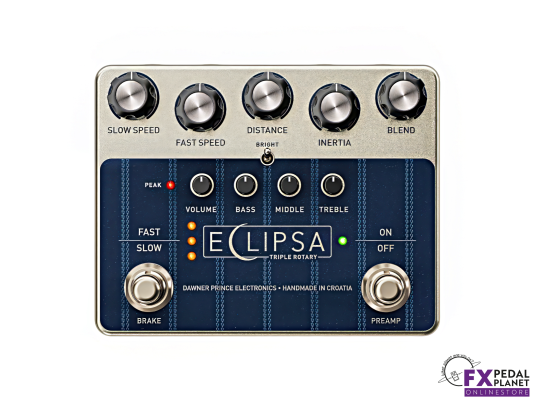
Eclipsa
£499.00

Latest Products
Boonar Tube Deluxe Ltd
£1,155.00

Latest Products
High/Low Shelf
£125.00

Latest Products
Mid Band
£125.00

Latest Products
Mangled Black
£135.00

Latest Products
Strychnine
£135.00

Latest Products
Bad Tones Forever
£199.00
Latest Products
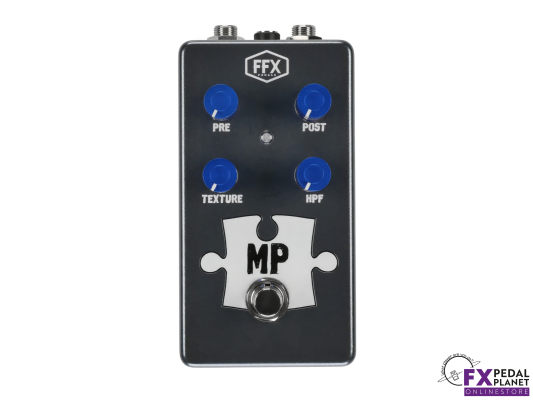
MP
£169.00

Latest Products
Spliff
£139.00

Latest Products
Artery
£149.00

Latest Products
33 Mini
£205.00

Latest Products
Zuul Mini
£205.00

Latest Products
Grind
£229.00

Latest Products
Zuul +
£229.00

Latest Products
Zuul Blackout Embossed
£235.00

Latest Products
Zuul + Blackout
£245.00

Latest Products
Fourteen
£249.00

Latest Products
33
£259.00

Latest Products
NATAS
£299.00

Latest Products
Kali
£339.00

Latest Products
Meshuggah
£349.00

Latest Products
Death Muff
£149.00
Latest Products
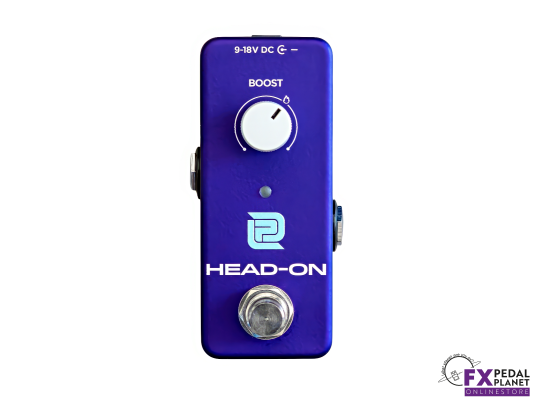
Head On
£139.00
Latest Products
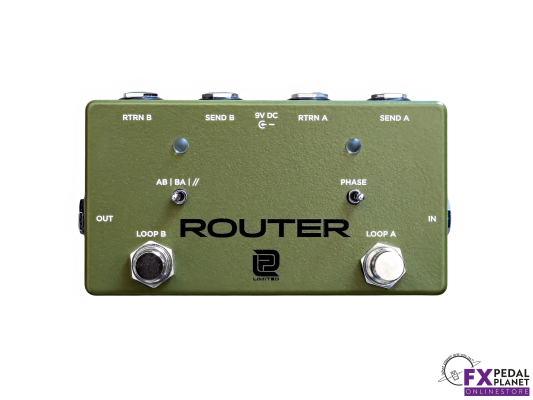
Router
£179.00

Latest Products
OKB X3
£199.00

Latest Products
Sixty 8
£199.00

Latest Products
JMP 79
£220.00
Latest Products
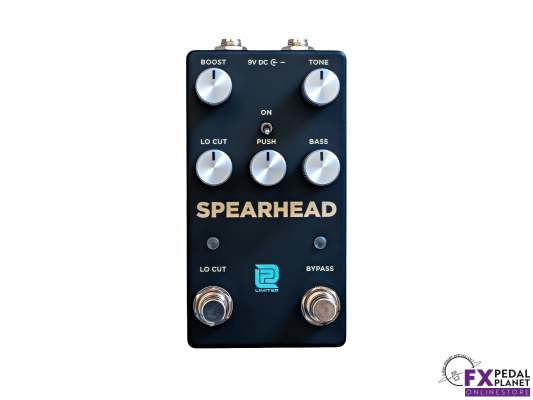
Spearhead
£220.00

Latest Products
Bedlum
£229.00

Latest Products
Eighty 7
£239.00
Latest Products
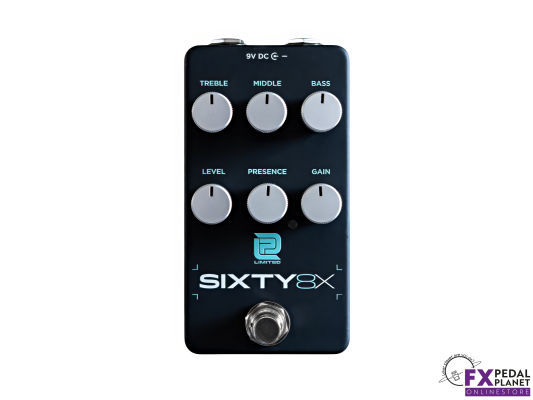
Sixty 8X
£239.00

Latest Products
Lucent Boost
£245.00

Latest Products
Sixty 8 Deluxe
£289.00

Latest Products
Seventy 4 Deluxe
£299.00

Latest Products
Supernode
£299.00
Latest Products
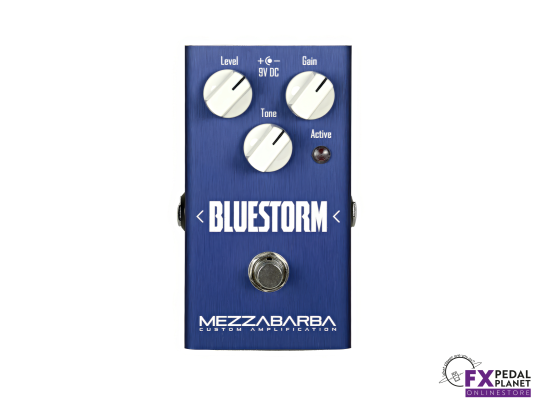
Bluestorm
£299.00

Latest Products
Even Drive
£799.00

Latest Products
Dirty Diablo Dual White
£214.00
Latest Products
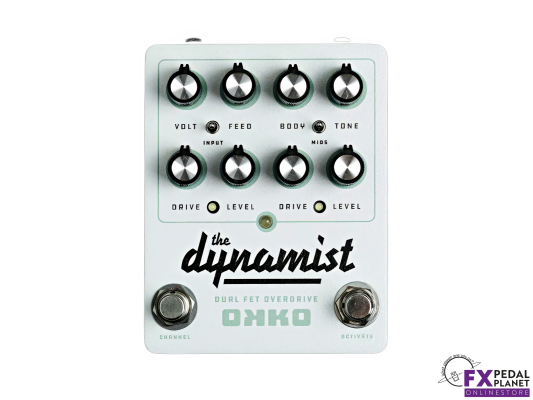
Dynamist
£214.00

Latest Products
BFGRMWB
£245.00

Latest Products
G8
£179.00
Latest Products
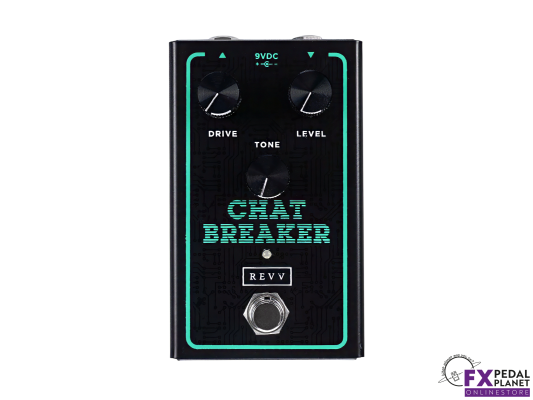
Chatbreaker
£199.00

Latest Products
G2
£219.00

Latest Products
G3
£219.00

Latest Products
G4
£225.00

Latest Products
Tilt
£239.00

Latest Products
Bass Console Fuzz
£309.00

Latest Products
Console Overdrive
£309.00

Latest Products
Modified Console Fuzz
£309.00

Latest Products
T.O.D.D. 2
£309.00

Latest Products
B-15 Valve Bass Preamp
£699.00

Latest Products
Eat Dirt
£249.00

Latest Products
Half Day (-10%)
£125.10

Latest Products
Extra Credit Boost (-10%)
£134.10

Latest Products
Gus-Drive (-10%)
£134.10

Latest Products
Gus-Plus (-10%)
£134.10

Latest Products
Pep Rally (-10%)
£134.10

Latest Products
Trash Panda (-10%)
£134.10
Latest Products
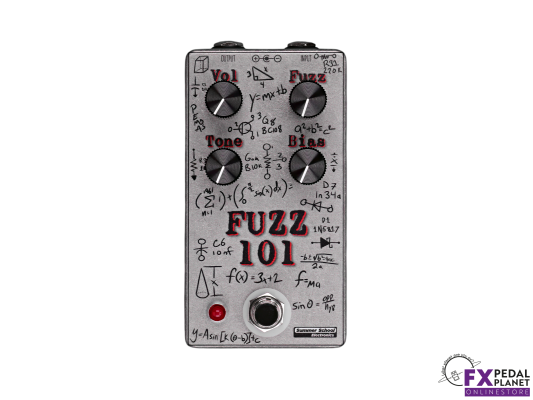
101 (-10%)
£148.50

Latest Products
Gladys V2 (-10%)
£148.50

Latest Products
Science Fair (-10%)
£148.50

Latest Products
Snow Day Delay (-10%)
£161.10

Latest Products
The Class Reunion (-10%)
£161.10

Latest Products
Middle School Chorus (-10%)
£179.10

Latest Products
Spring Break (-10%)
£179.10

Latest Products
Smoking In The Boys Room (-10%)
£251.10

Latest Products
School Lunch (-10%)
£449.10

Latest Products
77 Fuzz Blender
£199.00

Latest Products
The Barstow Bat
£199.00

Latest Products
The Thneed
£199.00

Latest Products
Zig-Zag
£199.00
Latest Products
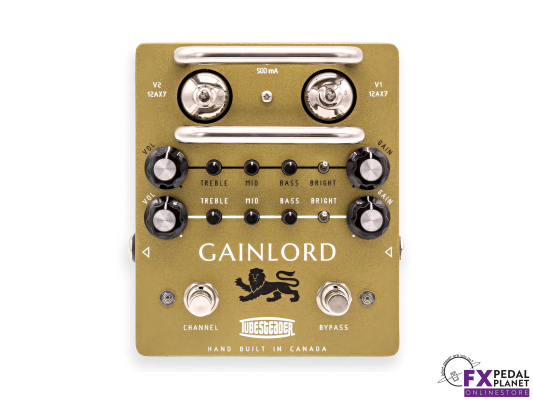
Gainlord
£325.00

Latest Products
Pipeline V2
£179.00

Latest Products
Octavia V2
£195.00

Latest Products
Quantum
£199.00
Latest Products
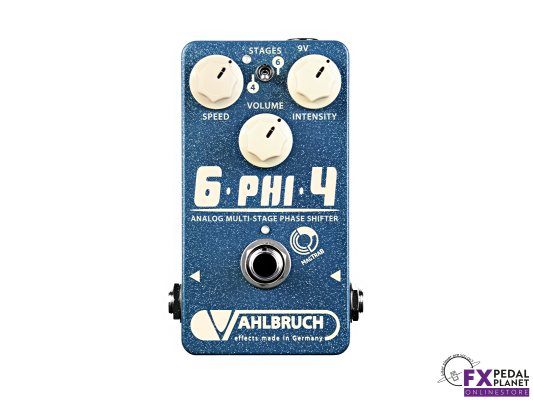
6 PHI 4
£229.00

Latest Products
SpaceTime Tap V2
£245.00

Latest Products
Kaluna V2
£299.00

Latest Products
Shanks II
£325.00

Latest Products
Myriad Fuzz
£379.00

Latest Products
Shanks ODS-1
£399.00

Latest Products
Expressor
£190.00

Latest Products
FireDirt
£190.00

Latest Products
1987 V2
£219.00

Latest Products
Black Tweed Plus
£259.00
Latest Products
Jailbreaker
£259.00

Latest Products
The Blue
£279.00

Latest Products
1987 Pro
£299.00

Latest Products
1987 Pro MIDI
£330.00
Inside Rose Electric Audio with Nick Rose
FX Pedal Planet is proud to be the official UK dealer for Rose Electric Audio, the Nashville-based builder producing some of the most distinctive analogue-driven pedals and preamps available today.
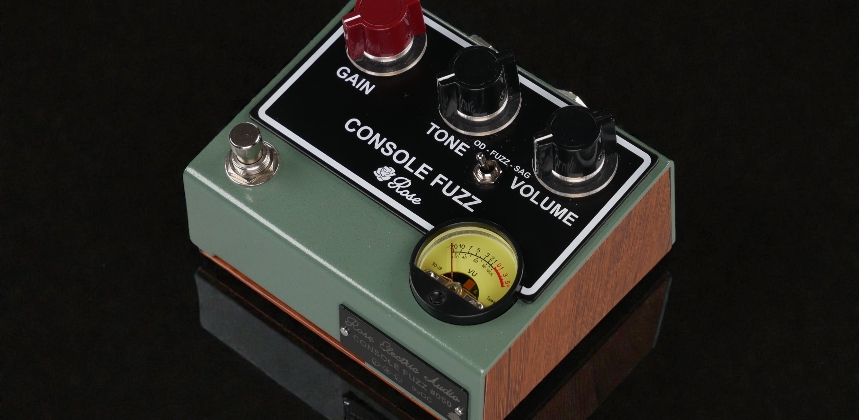
Rose Electric Audio designs include the Console Overdrive, T.O.D.D. tube preamp pedal, Console Fuzz, Console Bass Fuzz, the B-15 Tube Preamp / Direct Box, and the Speaker Selector. Each piece is designed and hand-built by electronics engineer Nick Rose, combining formal education in Electronics Engineering and Audio Technology with years of hands-on experience repairing, modifying and refining valve amplifiers.
These are not mass-produced effects. They are carefully considered analogue tools, often running high-voltage tube stages, transformer-coupled circuits and studio-inspired gain structures, designed to behave like amplifiers rather than conventional pedals.
We are delighted to partner with Nick and Rose Electric Audio here in the UK, and we invited him to share more about his background, philosophy and creative process.
We caught up with Nick to find out about his work.
You grew up around amplifiers, soldering irons, and electronics from a young age. How did that early exposure shape the way you think about audio equipment today?
My first guitar rig was a module from a home audio multi-zone amplifier. The kind that, if you wanted music to play in your dining room and on your patio, you used to actually have to run wires through the house and have an amplifier distributor with a bunch of amplifiers. My dad made some of those in the 90s, so we had amplifier modules lying around in the attic storage space.
I bought a 4x12 cabinet on Craigslist. It was covered in the ugliest grey carpet. I tore the carpet off and painted it lime green. I eventually upgraded to a solid-state Acoustat power amp — one that, as the story went, somebody in Frank Zappa's band had failed to pay their bill for, so it stayed in our attic storage space broken, until teenage me dusted it off and tried to make it work. I knew almost nothing and shocked the hell out of myself on my first try.
The only electric guitar I had access to was an 80s Samick with a Floyd Rose tailpiece. If you've ever taken a Floyd Rose guitar out of the case after 20 years, you might know that you almost have to learn how to build a guitar in order to play it again.
This sparked something in me. Thank God we didn't just have a 100W Marshall at home, or I wouldn't have had to fall in love with building things out of nonsense.
Long answer to say: had I not been handed a soldering iron in a NASA mug when I was nine, and then wanted to play guitar through a bunch of broken stuff that I had no business playing guitar through, we may not be here doing this today.
You’ve got a formal background in Electronics Engineering and Audio Technology, as well as years of hands-on experience repairing and modifying tube amps. How do those two worlds — theory and practice — inform your design process?
I think the marriage of art and science is such a beautiful sweet spot for me. The journey of understanding a seemingly infinitely complex science like the physics of electrons is much like the journey as a musician, there’s no end point, there’s no day where you’ve arrived and learned it all, there’s no being done. They are both lifelong conquests.
Completely separate from my nature to make sound and make music is a curiosity about the way things work. In my opinion, if you want the best bang for your buck in understanding the way things work, wave physics is the physics of everything, including audio.
Now add back in my obsession with making music, making sound, and the need to create, and this job picked me, not the other way around.
I was honestly very disappointed leaving college with a degree that I thought going in meant I would be able to just design or do whatever it was that I wanted. Electronics engineering in school taught you how to do a bunch of maths on paper, how to analyse an existing circuit, a bunch of stuff that I almost have absolutely no use for these days since I have hands and tools.
I'm very glad that I got the formal education because in a field so complicated, you never know what you don’t know. But I think the bulk of the good stuff happened on the job. There’s absolutely no substitute for having a big curiosity and a lot of opportunity to try things and find out what they sound like. You do that all day, every day for ten years and you get a pretty good idea of what works and what doesn’t, what sort of parts, in what part of a circuit, lead to what sort of sound.
With all that said, the most important part of the design process to me is not education, and it’s not experience. It’s curiosity.
Your workshop comes across as a kind of analogue labyrinth — part studio, part laboratory. How important is the physical space you work in to the ideas you develop?
Physical space is very important to my mind, whether I want it to be or not. To the point that I have separate circuits in my studio for yellow light and white light, because one is for being creative, and one is for getting work done.
Enjoying and executing a job that is both art and science requires the headspace for each.
I have a couple of vintage oscilloscopes (the guys that show your audio visually on the little green screen). They suck to use, cathode ray screens, the fidelity is not great, you have to turn a bunch of knobs. But I just like looking at them.
Having spent years at Hime Amplification working on repairs and modifications, what lessons did that environment teach you that still influence your designs now?
I learned all of my good lessons during that time. I came fresh out of college bright-eyed and bushy-tailed and got to mess around with other people's really nice equipment, on their dime…and I got paid to do it.
It was a two-man operation, just me and Hime for many years, so I held the business very close to my heart. But I got to try all the experiments I wanted to try without me being the one to have to afford the expensive parts or the time. People trusted me with their really nice instruments that meant a lot to them. And I made mistakes — I still do — but I learned how to fix them every time. And that level of stress, trying not to screw up some famous person’s vintage amp that costs as much as your car, is a solid motivator to do a good job and learn quickly.
You’ve worked on and inside a huge range of high-end gear belonging to some serious players. How has exposure to that level of equipment shaped your ears and your standards?
Exposure might be one of the most important tools in any arsenal.
I experience music-making akin to speaking a language. I have a concept in mind that I want to communicate, or I have a sound in mind that I would like to make. The tools for communicating are words, the more words at your disposal, the better chance you have at communicating the nuance of the idea in your head.
As guitar players, those words aren't just the notes we play, or the way we play them. The entire tone of voice comes from an ecosystem that includes your hands, and the guitar, and the pickups, and the pedals, and the amps, and the speakers — and I could go on.
Living in Nashville, having mostly clients that do this for a living, does change that exposure. I've gotten to try all the flavours, twice. And getting to experiment with the most beloved gear of all time, you start to figure out how to adjust the recipe to get what you want out of the instrument.
As far as standards go, I do want to own mostly gear from the 80s and older, because I want to be able to work on it. I want it to keep living, and they just don't make them like they used to. But I am also a huge fan of all instruments — there's a job for every tool. And I love some cheap gear. I could build a small fort out of all the under-$100 guitar pedals I have, and enjoy it.
When you sit down to design something new, what tends to come first: a sound in your head, a circuit idea, or a musical problem you want to solve?
Typically a sound I would like to make comes first.
My first two pedals were brought to life partially because I had decided to follow through with a lifelong dream of being a guitar pedal company and bringing some of my ideas to life in that way. T.O.D.D. and Console Fuzz were the first two pedals.
Because in all of my obsessive tone-seeking over many years, I have two overdrive pedals that do my thing the best, work well with each other, and don't leave the board; I set out to make those sounds, but refined to exactly how I wanted.
There’s a strong sense of character and individuality in your pedals, they don’t feel mass-produced or generic. How intentional is that, both sonically and visually?
Very intentional.
In many ways, there's enough guitar pedals in the world. So there's certainly not a whole lot of use to me making a sound that already exists. But mostly that's not very fun for me personally.
If the business was only pedals and had to stay afloat from pedal sales exclusively, it would be very wise for me to put another Klon into the world. But fortunately I'm afforded the freedom to create things that make me personally feel good, that I'm proud of, that didn't exist before — even though they might not sell like a Klon.
Visually, I made my first many, many pedals out of standard Hammond enclosures. When I started wanting to reproduce anything, I started learning how to paint, and powder coat, and screen print, and laser engrave. I quickly fell in love with the visual art of it all. Before making equipment with my name on it, I would not have considered myself a visual artist. Now, some of my greatest enjoyment is the visual design process. Way more than it sticking out on the shelf — if I'm going to make this thing over and over again and stand behind it every day, it has to give me dopamine when I look at it.
You’re also a multi-instrumentalist. How does being an active musician influence the way you design circuits compared to someone who only builds equipment?
It blows my mind that Leo Fender could design one of my favourite amplifiers of all time without playing the damn thing. And there are many good examples of other engineers, not musicians, creating some of the best instruments. I could never fathom it. I can't even imagine why do it, but I guess that's neither here nor there.
For me, it is all one and the same. I play a lot of instruments because I've been obsessed with making sounds and music for my entire life. I build and modify instruments for the exact same reason. I think this obsession has just led me to spend way more time with musical equipment than a normal person ever should.
I think where that mainly benefits is just getting to be an expert for a wider variety of people. There's nothing wrong with just being obsessed with Fender or just being obsessed with Marshalls and knowing everything about that amp and being the guy that everybody calls for the weird Marshall questions. I've just spent a lot of time obsessing over a lot of different gear — getting really in tune with what it does, and what its limitations are.
Which instruments do you play most, and do you find that different instruments push you towards different design ideas or sonic priorities?
I play drums, keyboards, bass and guitar all the time, my whole life. I have a hard time sitting still. I own many, many other instruments that I enjoy playing but would certainly not advertise major proficiency.
I do actually create a lot of drum and percussion things. Literally everything is a percussion instrument, so it makes it pretty easy. A favourite of which is a keyboard made of crystal glasses, pitched with oil, and played with chopsticks. Or a snare drum with a hi-hat rod attached to the top head so that you can pitch it up and down with your foot. But it all feels like silly stuff I do to amuse myself.
Part of my love of keyboards and synthesizers is that there is already an infinite realm of sounds to be made — it hasn't left much of a void for me to invent anything.
Guitar, however, is an infinite search for the last 10%. I can't get my hands on enough toys and tones of voices and combinations of sounds I can make. The importance of idiosyncrasy is just much greater with guitar.
Looking ahead, what excites you most about building audio equipment right now — is it refining classic designs, exploring new circuits, or simply seeing how players interact with your work?
My fun is pretty much when I am getting to make something new, getting to be creative, and falling into obsession refining the sound. I think guitar amplifiers are a realm where refining the classics is a much more valuable endeavour. But for guitar pedals I will mostly be seeking my own sounds.
Final Thoughts
Nick Rose embodies the rare balance of engineer and artist. His work is driven not by replication, but by curiosity — the desire to refine, experiment and pursue sound to its most expressive limits.
We are proud to represent Rose Electric Audio in the UK and to bring these distinctive analogue designs to players who value individuality, character and amplifier-like response.
Discover Rose Electric Audio
To review the Rose Electric Audio range at FX Pedal Planet Online Store, please click, MORE!


Payment methods accepted