Latest Products
Blues Believer
£189.00

Latest Products
Utopia MKII
£249.00

Latest Products
Utopia MKII Ltd Edition
£249.00

Latest Products
Axe Blast Mini
£4.99

Latest Products
Lubricant Oil
£4.99

Latest Products
Lubricant Powder
£4.99

Latest Products
Lemon Oil
£6.99

Latest Products
Finishing Wax G2
£6.99

Latest Products
Fretboard Conditioning Oil
£6.99

Latest Products
MG X Metal Polish
£6.99

Latest Products
Mass X Cutting Polish
£6.99

Latest Products
Guitar Balm Vintage .76 Original
£9.99

Latest Products
Guitar Wax Candy
£9.99

Latest Products
Guitar Wax Coffee
£9.99

Latest Products
Donut Hole
£149.00

Latest Products
Affogato Fuzz
£195.00

Latest Products
Cold Brew
£239.00

Latest Products
London Fog
£239.00

Latest Products
Portafilter
£349.00

Latest Products
Cassette Pre Amp
£249.00

Latest Products
ION
£149.00

Latest Products
Foxcatcher V2
£249.00

Latest Products
Telegraph V2 Summer Punch
£299.00

Latest Products
Soft Clip Distortion Cir-Kit
£29.00

Latest Products
Imperium V2
£319.00

Latest Products
Nucleo
£375.00

Latest Products
Red Rox
£185.00

Latest Products
Diktator MKII
£259.00

Latest Products
Pulse
£269.00

Latest Products
Boonar MKII
£299.00
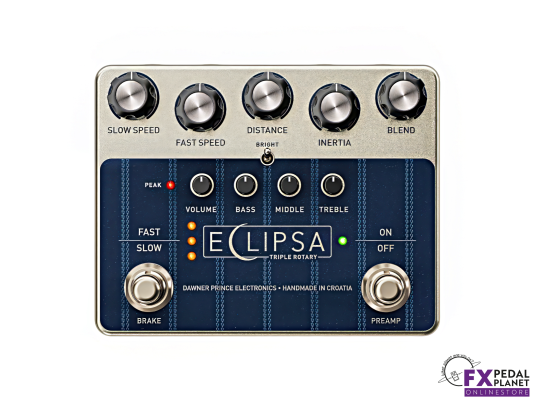
Latest Products
Eclipsa
£499.00

Latest Products
Boonar Tube Deluxe Ltd
£1,155.00

Latest Products
High/Low Shelf
£125.00

Latest Products
Mid Band
£125.00

Latest Products
Mangled Black
£135.00

Latest Products
Strychnine
£135.00

Latest Products
Bad Tones Forever
£199.00
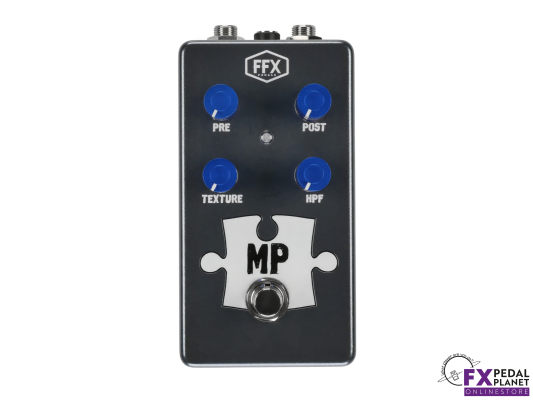
Latest Products
MP
£169.00

Latest Products
Spliff
£139.00

Latest Products
Artery
£149.00

Latest Products
33 Mini
£205.00

Latest Products
Zuul Mini
£205.00

Latest Products
Grind
£229.00

Latest Products
Zuul +
£229.00

Latest Products
Zuul Blackout Embossed
£235.00

Latest Products
Zuul + Blackout
£245.00

Latest Products
Fourteen
£249.00

Latest Products
33
£259.00

Latest Products
NATAS
£299.00

Latest Products
Kali
£339.00

Latest Products
Meshuggah
£349.00

Latest Products
Death Muff
£149.00
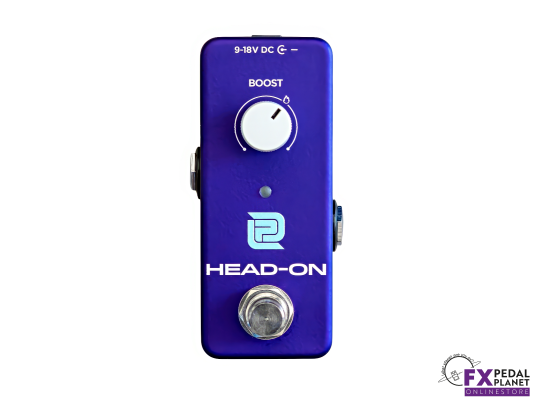
Latest Products
Head On
£139.00
Latest Products
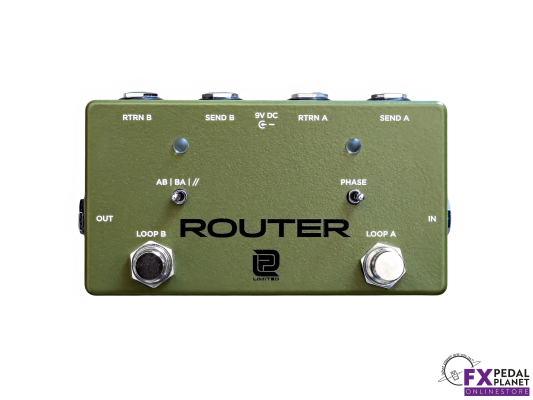
Router
£179.00

Latest Products
OKB X3
£199.00

Latest Products
Sixty 8
£199.00

Latest Products
JMP 79
£220.00
Latest Products
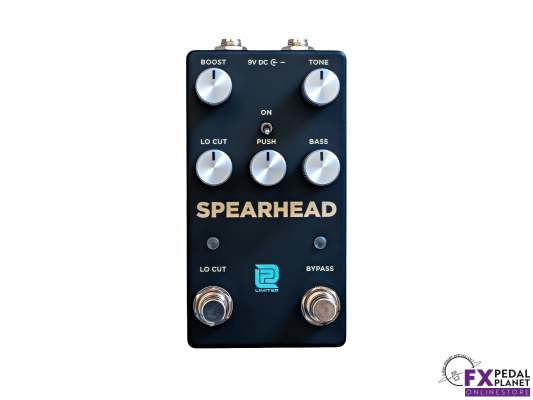
Spearhead
£220.00

Latest Products
Bedlum
£229.00

Latest Products
Eighty 7
£239.00
Latest Products
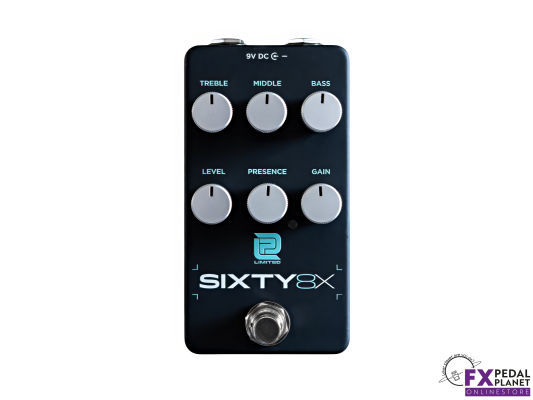
Sixty 8X
£239.00

Latest Products
Lucent Boost
£245.00

Latest Products
Sixty 8 Deluxe
£289.00

Latest Products
Seventy 4 Deluxe
£299.00

Latest Products
Supernode
£299.00
Latest Products
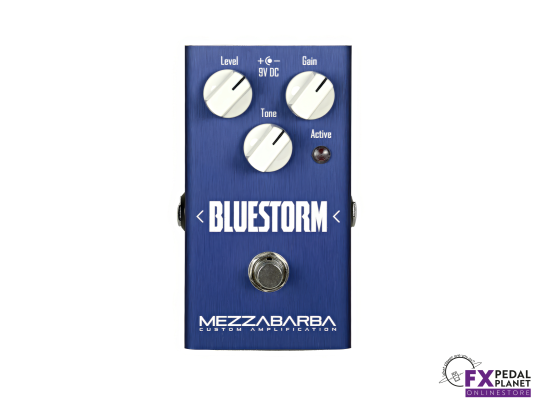
Bluestorm
£299.00

Latest Products
Even Drive
£799.00

Latest Products
Dirty Diablo Dual White
£214.00
Latest Products
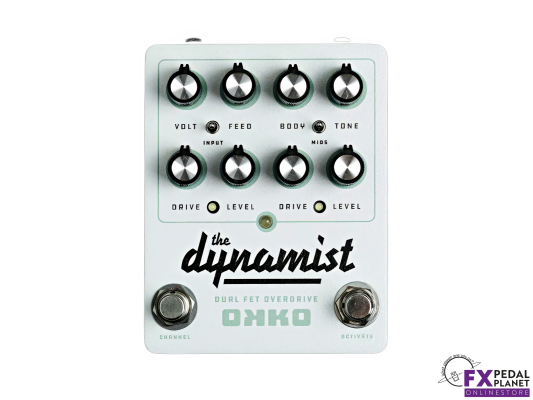
Dynamist
£214.00

Latest Products
BFGRMWB
£245.00

Latest Products
G8
£179.00
Latest Products
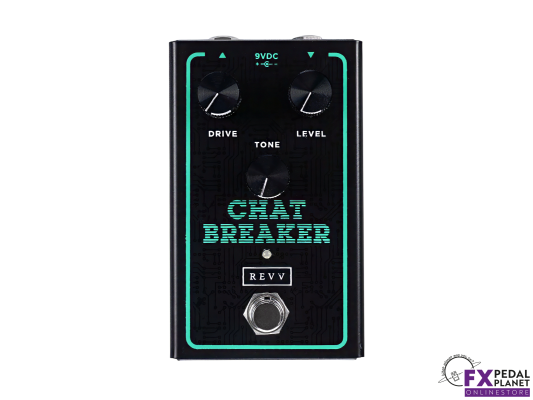
Chatbreaker
£199.00

Latest Products
G2
£219.00

Latest Products
G3
£219.00

Latest Products
G4
£225.00

Latest Products
Tilt
£239.00

Latest Products
Bass Console Fuzz
£309.00

Latest Products
Console Overdrive
£309.00

Latest Products
Modified Console Fuzz
£309.00

Latest Products
T.O.D.D. 2
£309.00

Latest Products
B-15 Valve Bass Preamp
£699.00

Latest Products
Eat Dirt
£249.00

Latest Products
Half Day (-10%)
£125.10

Latest Products
Extra Credit Boost (-10%)
£134.10

Latest Products
Gus-Drive (-10%)
£134.10

Latest Products
Gus-Plus (-10%)
£134.10

Latest Products
Pep Rally (-10%)
£134.10

Latest Products
Trash Panda (-10%)
£134.10
Latest Products
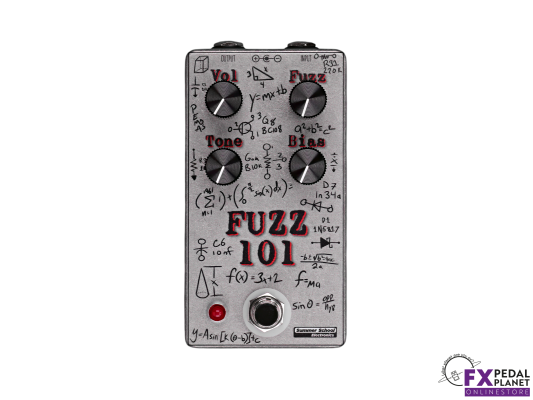
101 (-10%)
£148.50

Latest Products
Gladys V2 (-10%)
£148.50

Latest Products
Science Fair (-10%)
£148.50

Latest Products
Snow Day Delay (-10%)
£161.10

Latest Products
The Class Reunion (-10%)
£161.10

Latest Products
Middle School Chorus (-10%)
£179.10

Latest Products
Spring Break (-10%)
£179.10

Latest Products
Smoking In The Boys Room (-10%)
£251.10

Latest Products
School Lunch (-10%)
£449.10

Latest Products
77 Fuzz Blender
£199.00

Latest Products
The Barstow Bat
£199.00

Latest Products
The Thneed
£199.00

Latest Products
Zig-Zag
£199.00
Latest Products
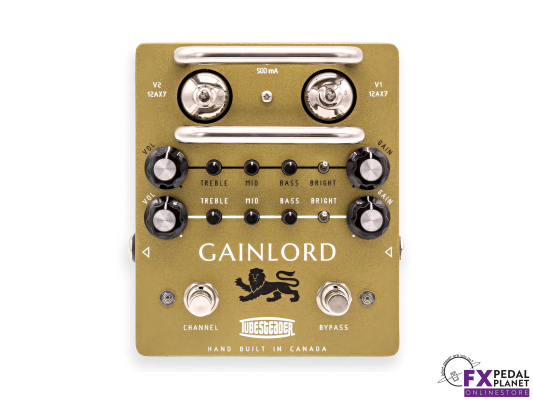
Gainlord
£325.00

Latest Products
Pipeline V2
£179.00

Latest Products
Octavia V2
£195.00

Latest Products
Quantum
£199.00
Latest Products
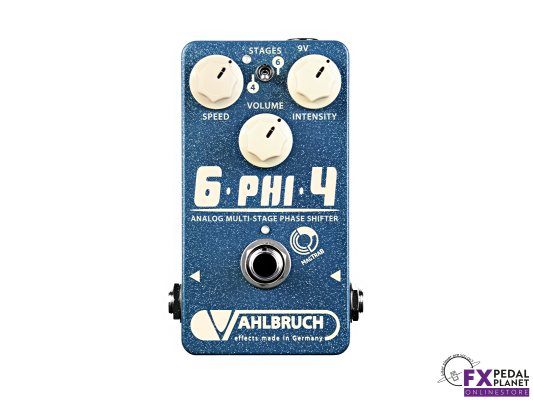
6 PHI 4
£229.00

Latest Products
SpaceTime Tap V2
£245.00

Latest Products
Kaluna V2
£299.00

Latest Products
Shanks II
£325.00

Latest Products
Myriad Fuzz
£379.00

Latest Products
Shanks ODS-1
£399.00

Latest Products
Expressor
£190.00

Latest Products
FireDirt
£190.00

Latest Products
1987 V2
£219.00

Latest Products
Black Tweed Plus
£259.00
Latest Products
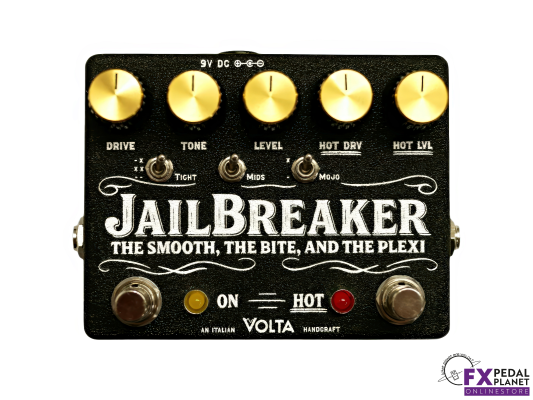
Jailbreaker
£259.00

Latest Products
The Blue
£279.00

Latest Products
1987 Pro
£299.00

Latest Products
1987 Pro MIDI
£330.00
Summer School and Supercool on Guitar Dads
The latest podcast appearance from two valued suppliers features Mark from Summer School Electronics and Jamie from Supercool Pedals joining Matt and Dave on the Guitar Dads Podcast. For those unfamiliar with it, Guitar Dads is a long-running show created by two players who describe it as a podcast for “guitar dads, by guitar dads”. In practice, it centres on thoughtful conversations about gear, music, industry stories and the realities of balancing playing with everyday life. The tone is relaxed and knowledgeable, rooted firmly in the experience of adult musicians.
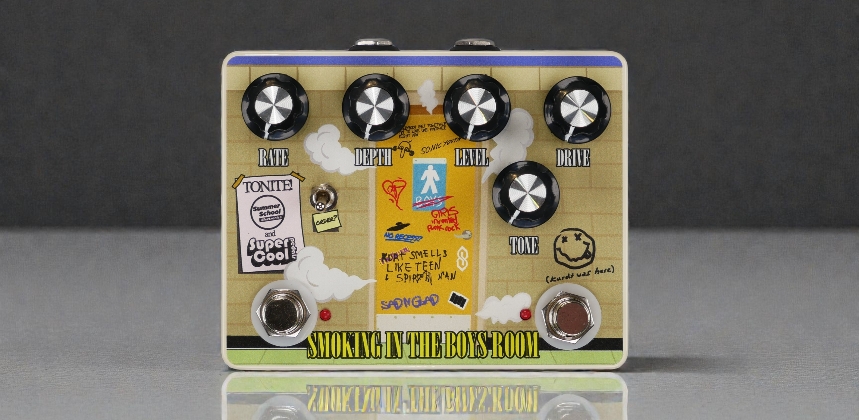
In this episode, the focus is the new Smoking In The Boys Room pedal, a collaborative release between Summer School Electronics in Syracuse, New York and Supercool Pedals in Peterborough, Ontario. Both builders have established reputations for analogue designs with strong visual identities and a clear musical purpose. Rather than following trends, they reinterpret familiar circuits in ways that feel practical for working players, and this project reflects that approach.
Smoking In The Boys Room is a fully analogue dual distortion and chorus pedal designed for guitarists and bass players. Each effect can be used independently or stacked, and a dedicated external toggle allows the order to be switched, enabling distortion into chorus or chorus into distortion depending on the desired texture. The distortion circuit draws inspiration from the well-known orange distortion of the 1990s, but with a revised, more mid-forward voice and a modified output buffer that keeps the signal solid across longer cable runs and more complex pedalboards. At lower drive settings it adds bite and focus to an already breaking-up amplifier; at higher settings it delivers thick, grainy saturation suited to heavier riffing and lead work.
The chorus side is voiced for lush, watery analogue modulation, with rate and depth controls that remain usable across their full sweep. Subtle settings add width and movement without overtaking the core tone, while higher depth and speed settings introduce the distinctive swirl associated with alternative and grunge textures of the 1990s. Because the order can be swapped, the pedal offers two distinct feels: distortion into chorus provides smoother, more polished modulation, while chorus into distortion produces a rougher, more smeared character familiar from many recordings of that era.
During the conversation on Guitar Dads, Mark and Jamie explain how the collaboration developed, the reasoning behind pairing these two circuits, and the practical decisions that shaped the final design. They discuss keeping the signal path fully analogue, the importance of true mechanical bypass on both sides, and the inclusion of top-mounted input and output jacks to simplify pedalboard wiring. They also address how the pedal responds to picking dynamics and guitar volume changes, something evident in the accompanying demonstrations: the distortion cleans up naturally without sounding thin, and the chorus responds in a way that feels lively rather than static.
The build reflects a clear focus on reliability. The enclosure is solid all-metal, with clear LED indicators for each footswitch, and it runs from a standard 9V centre-negative supply. Current draw is modest, measuring around 6 mA in bypass and approximately 9 mA when both effects are engaged, making it straightforward to integrate into most existing boards. It is designed to withstand rehearsals, touring and regular use rather than serving as a studio novelty.
As is typical of Guitar Dads, the discussion moves beyond straightforward product promotion. There is context around 1990s alternative tones, reflections on how players use distortion and modulation today, and an honest look at what it means for two independent builders to collaborate across borders. For players interested in how pedals function in real-world rigs, it makes for an engaging and worthwhile listen.
The full episode is available via major podcast platforms and on the Guitar Dads channel. Those wishing to follow future releases and collaborations can keep up with Summer School Electronics and Supercool Pedals on their social media channels and subscribe to Guitar Dads for further interviews and gear discussions.
For anyone considering Smoking In The Boys Room, the episode provides useful insight into what the pedal is designed to achieve, how it performs in practice, and where it sits within the broader landscape of analogue distortion and chorus effects.
Toi view more pedals from Summer School Electronics and Supercool Pedals, please click the links.
Summer School Electornics on Facebook
Summer School Electornics on Instagram


Payment methods accepted