Latest Products
Blues Believer
£189.00

Latest Products
Utopia MKII
£249.00

Latest Products
Utopia MKII Ltd Edition
£249.00

Latest Products
Axe Blast Mini
£4.99

Latest Products
Lubricant Oil
£4.99

Latest Products
Lubricant Powder
£4.99

Latest Products
Lemon Oil
£6.99

Latest Products
Finishing Wax G2
£6.99

Latest Products
Fretboard Conditioning Oil
£6.99

Latest Products
MG X Metal Polish
£6.99

Latest Products
Mass X Cutting Polish
£6.99

Latest Products
Guitar Balm Vintage .76 Original
£9.99

Latest Products
Guitar Wax Candy
£9.99

Latest Products
Guitar Wax Coffee
£9.99

Latest Products
Donut Hole
£149.00

Latest Products
Affogato Fuzz
£195.00

Latest Products
Cold Brew
£239.00

Latest Products
London Fog
£239.00

Latest Products
Portafilter
£349.00

Latest Products
Cassette Pre Amp
£249.00

Latest Products
ION
£149.00

Latest Products
Foxcatcher V2
£249.00

Latest Products
Telegraph V2 Summer Punch
£299.00

Latest Products
Soft Clip Distortion Cir-Kit
£29.00

Latest Products
Imperium V2
£319.00

Latest Products
Nucleo
£375.00

Latest Products
Red Rox
£185.00

Latest Products
Diktator MKII
£259.00

Latest Products
Pulse
£269.00

Latest Products
Boonar MKII
£299.00
Latest Products
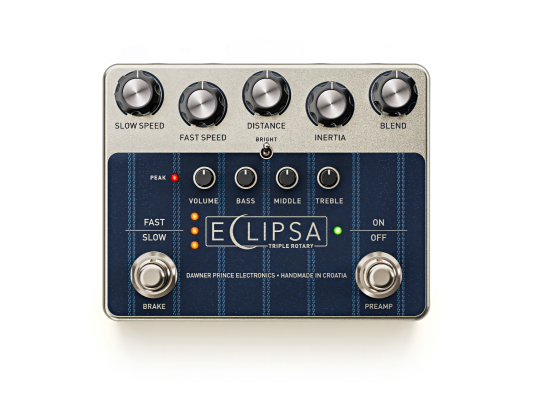
Eclipsa
£499.00

Latest Products
Boonar Tube Deluxe Ltd
£1,155.00

Latest Products
High/Low Shelf
£125.00

Latest Products
Mid Band
£125.00

Latest Products
Mangled Black
£135.00

Latest Products
Strychnine
£135.00

Latest Products
Bad Tones Forever
£199.00
Latest Products
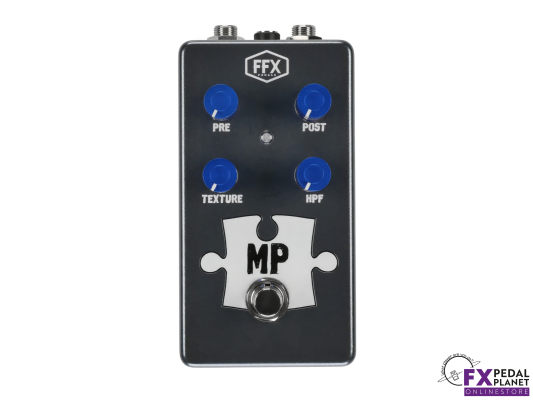
MP
£169.00

Latest Products
Spliff
£139.00

Latest Products
Artery
£149.00

Latest Products
33 Mini
£205.00

Latest Products
Zuul Mini
£205.00

Latest Products
Grind
£229.00

Latest Products
Zuul +
£229.00

Latest Products
Zuul Blackout Embossed
£235.00

Latest Products
Zuul + Blackout
£245.00

Latest Products
Fourteen
£249.00

Latest Products
33
£259.00

Latest Products
NATAS
£299.00

Latest Products
Kali
£339.00

Latest Products
Meshuggah
£349.00

Latest Products
Death Muff
£149.00
Latest Products
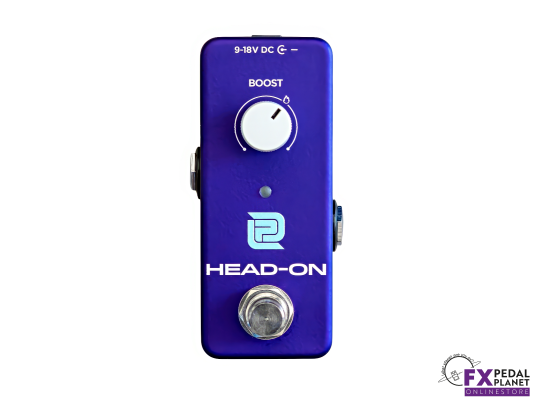
Head On
£139.00
Latest Products
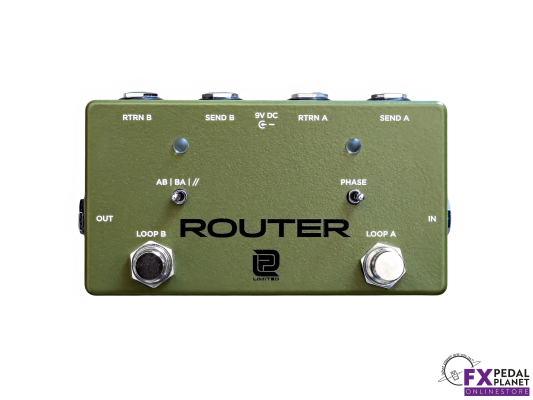
Router
£179.00

Latest Products
OKB X3
£199.00

Latest Products
Sixty 8
£199.00

Latest Products
JMP 79
£220.00
Latest Products
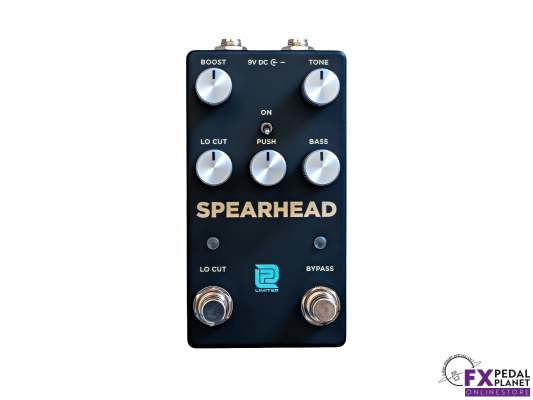
Spearhead
£220.00

Latest Products
Bedlum
£229.00

Latest Products
Eighty 7
£239.00
Latest Products
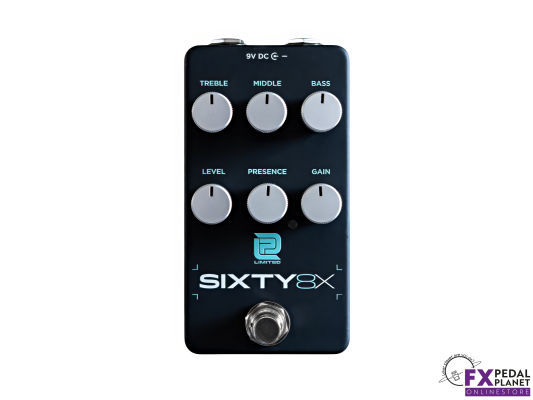
Sixty 8X
£239.00

Latest Products
Lucent Boost
£245.00

Latest Products
Sixty 8 Deluxe
£289.00

Latest Products
Seventy 4 Deluxe
£299.00

Latest Products
Supernode
£299.00

Latest Products
Even Drive
£799.00

Latest Products
Dirty Diablo Dual White
£214.00

Latest Products
BFGRMWB
£245.00

Latest Products
G8
£179.00
Latest Products
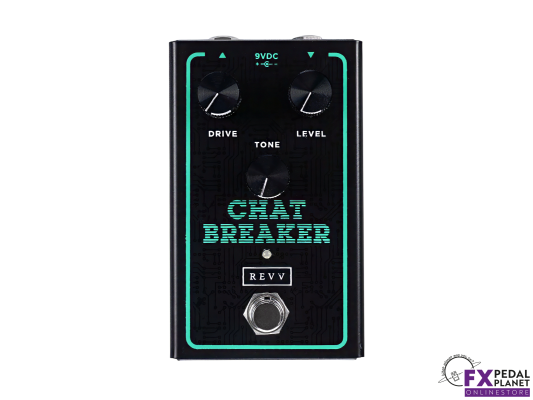
Chatbreaker
£199.00

Latest Products
G2
£219.00

Latest Products
G3
£219.00

Latest Products
G4
£225.00

Latest Products
Tilt
£239.00

Latest Products
Bass Console Fuzz
£309.00

Latest Products
Console Overdrive
£309.00

Latest Products
Modified Console Fuzz
£309.00

Latest Products
T.O.D.D. 2
£309.00

Latest Products
B-15 Valve Bass Preamp
£699.00

Latest Products
Eat Dirt
£249.00

Latest Products
Half Day (-10%)
£125.10

Latest Products
Extra Credit Boost (-10%)
£134.10

Latest Products
Gus-Drive (-10%)
£134.10

Latest Products
Gus-Plus (-10%)
£134.10

Latest Products
Pep Rally (-10%)
£134.10

Latest Products
Trash Panda (-10%)
£134.10
Latest Products
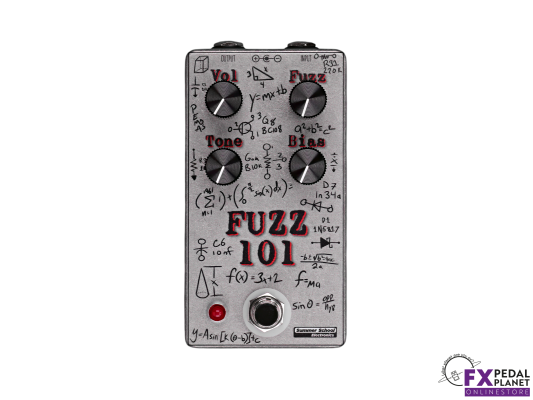
101 (-10%)
£148.50

Latest Products
Gladys V2 (-10%)
£148.50

Latest Products
Science Fair (-10%)
£148.50

Latest Products
Snow Day Delay (-10%)
£161.10

Latest Products
The Class Reunion (-10%)
£161.10

Latest Products
Middle School Chorus (-10%)
£179.10

Latest Products
Spring Break (-10%)
£179.10

Latest Products
Smoking In The Boys Room (-10%)
£251.10

Latest Products
School Lunch (-10%)
£449.10

Latest Products
77 Fuzz Blender
£199.00

Latest Products
The Barstow Bat
£199.00

Latest Products
The Thneed
£199.00

Latest Products
Zig-Zag
£199.00

Latest Products
Pipeline V2
£179.00

Latest Products
Octavia V2
£195.00

Latest Products
Quantum
£199.00

Latest Products
SpaceTime Tap V2
£245.00

Latest Products
Kaluna V2
£299.00

Latest Products
Shanks II
£325.00

Latest Products
Myriad Fuzz
£379.00

Latest Products
Shanks ODS-1
£399.00

Latest Products
Expressor
£190.00

Latest Products
FireDirt
£190.00

Latest Products
1987 V2
£219.00

Latest Products
Black Tweed Plus
£259.00
Latest Products
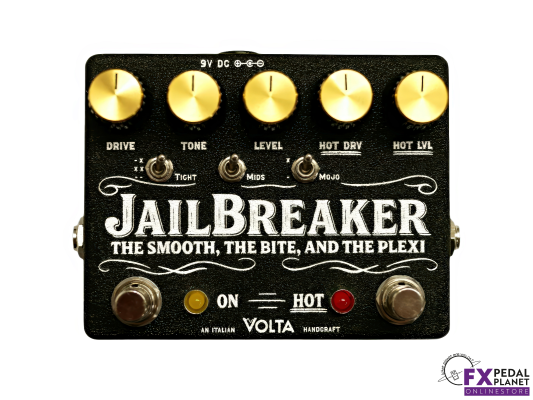
Jailbreaker
£259.00

Latest Products
The Blue
£279.00

Latest Products
1987 Pro
£299.00

Latest Products
1987 Pro MIDI
£330.00

Understanding Guitar Effects Through One Day Pedal Building
FX Pedal Planet is pleased to highlight the Build Your Own Effects Pedal – One Day Workshop Experience, delivered in association with NRG Effects and hosted at PedalPatch Cabling Supply Co HQ in Newhaven.
This small-group workshop is aimed at musicians who want to move beyond simply using pedals and gain a clearer understanding of how they work. Participants spend the day hand-wiring and building an exclusive overdrive/distortion pedal designed specifically for the workshop, learning analogue fundamentals, practical soldering techniques, and how circuit choices shape tone and response.
Led by Neil of NRG Effects, and supported by PedalPatch’s workshop facilities and experience, the day focuses on hands-on learning in a shared environment. Ahead of the next workshop dates, we spoke with Neil and Phil about how the course came together, what participants can expect, and why pedal building continues to resonate with musicians.
Why This Workshop Exists
What first prompted NRG Effects and PedalPatch to collaborate on a one-day pedal building workshop?
Neil – NRG Effects:
Phil & I have known each other for quite some time, living close by on the south coast of England, playing music in bands, and neatly crossing over in what we do within the world of guitar gear…I design and hand build my original guitar effects pedals, coming from background as a luthier and musical instrument electronics technician…Phil has PedalPatch offering their great solderless cable kits as well as all kinds of pedalboard solutions and guitar gear accessories. Phil also runs the Brighton Guitar Show, so knows what he’s doing when it comes to putting on events!
For a long time we’ve wanted to put our heads and skills together, and this is the result (and hopefully just the start of all kinds of workshops, classes and experience days that we could offer together). We can both see the desire for people to better understand and get more deeply involved with pedals and their guitar gear, especially in communal groups. So it’s a joy to hold these in-person workshop experience days, using our combined experience and passing on skills in a practical, beneficial and enjoyable way to a group of like-minded guitar gear geeks.
PedalPatch is widely associated with pedalboard cabling and practical rig design. What led you to expand into hosting pedal building courses?
Phil – PedalPatch:
It was actually an idea I’d had a couple of years before lockdown. I wanted to expand the PedalPatch brand and offer people a new experience. I had spoken to a couple of pedal builders to find out if it was of interest and to discuss the practicalities of running a course in person and was making good progress until Covid hit.
During lockdown, I teamed up with Alex Millar from Zander Circuitry and we did a trial online version of the course where we sent out kits to the participants and completed the build via video call. This went quite well, but it quickly became clear that pedal building is such a precise, hands-on process that it really benefits from being done in person.
Designing the Pedal
Neil, you’ve designed a pedal specifically for this workshop – what were the key design goals, and why did you settle on a single-transistor circuit with diode clipping at its core?
Neil – NRG Effects:
I wanted to bring together elements of many classic pedal designs into one relatively simple great sounding circuit, enabling me to demonstrate these fundamental building blocks and how they shape the resulting tone of this pedal and many others. For example, the single transistor amplifier section has similarities to many clean boost, treble boost and overdrive/distortion circuits, the gain control works in the same way as a Fuzz Face’s fuzz control, and the post amplification hard-clipping is reminiscent of familiar distortions like the RAT, Distortion Plus, DS-1, OCD, etc. So what you’ll discover about all these important elements will translate into many other pedals and inform you going forward into modifying, building and designing your own pedals.
This special design of mine results in a really wide ranging pedal that goes from characterful clean boost, through dynamic overdrive and distortion into almost low gain fuzz territory.
The pedal is described as moving from boost and overdrive through to distortion and even fuzz. How does this wide range of sounds help demonstrate the fundamentals of analogue circuit behaviour?
Neil – NRG Effects:
I think this shows how much is achievable and possible with a relatively small carefully designed circuit, where just the smallest changes can have a big impact on the tone and response of the pedal. It also shows how boost, overdrive, distortion and fuzz are so closely linked and not necessarily fundamentally different effects.
Learning Through Traditional Construction
The workshop focuses on traditional point-to-point and tagboard construction. What do these techniques teach builders that modern PCB-based kits often don’t?
Neil – NRG Effects:
The tagboard and point-to-point type wiring I teach for this pedal really helps gain a clear understanding of what’s happening in the circuit, as you physically make direct connections between all the components. Building pedals and kits with PCBs is great and has many benefits, but it is harder to visualise and actually see what is going on within the circuit, as well as fault find and make modifications. This build style is also great for those who have already built pedals using other methods, adding valuable new techniques and skills to their arsenal.
From your perspective, what do musicians most underestimate about what goes into a well-designed effects pedal?
Phil – PedalPatch:
What musicians often underestimate is how much happens beyond the schematic. Component choices, layout, grounding, shielding, and power filtering all shape how a pedal behaves in a signal chain. This is something Neil expertly demonstrates during the workshop.
Just as important is reliability. A great pedal isn’t only about tone; it has to be quiet, consistent, and dependable gig after gig.
The Workshop Environment
How does working inside a functioning pedal workshop environment change how participants approach the build compared with learning at home?
Phil – PedalPatch:
Holding the workshops at PedalPatch HQ gives people a level of focus and support you just can’t replicate at home. All the tools and equipment are provided, the workspace is clearly laid out, and builders can see exactly what Neil is doing as he talks through each stage.
There’s also a big benefit to learning alongside others. Comparing builds, asking questions, problem-solving together, and then finally plugging in and testing everything at the end of the day. Plus, there’s always plenty of time for the inevitable gear chat, which is half the fun anyway!
The workshop is open to mixed experience levels. How do you balance teaching essential soldering and wiring skills while still keeping the day engaging for those with prior electronics knowledge?
Neil – NRG Effects:
We start the day with soldering and wiring technique, which all participants seem to find surprisingly straightforward once they’re given the right tools and shown how simple they can be to use with my pointers and guidance. I build along with most stages, so everyone can clearly see each step, as well as being on hand to physically help and advise throughout the builds, keeping everyone on track and engaged.
It is obviously an advantage to participants if they do have some previous experience with soldering and electronics or have a good understanding of guitar gear. I do feel this workshop is also extremely beneficial to those who have already tinkered with pedal building and kits or worked with musical electronics in any way, as there are always more skills, techniques and tricks to be learnt!
Understanding Gear More Deeply
For guitarists who have only ever used pedals as end users, what do you think is the most eye-opening moment when they start wiring a circuit themselves?
Neil – NRG Effects:
I think it can be equally surprising how simple but also complex pedals can actually be on the insides…just a handful of components arranged in a basic circuit can create such a tone changing effect, but the smallest changes to those components can make such a huge difference. I think it also creates an appreciation for the level of skill, understanding, work and practise that it takes to design and build effects pedals to a high level… But this workshop is designed to set you well on that path with your own pedal building journey.
Why do you think there is renewed interest among guitarists in understanding analogue circuits, rather than simply buying finished pedals off the shelf?
Neil – NRG Effects:
Yes, I do think many players are seeking and finding deeper connections with classic analogue music gear…appreciating the history and development of musical equipment and how that has influenced and shaped music. This appreciation also gives an extremely beneficial insight into your own gear, sound and playing as a result.
Many guitarists are increasingly interested in understanding their gear rather than just collecting it. What do you think is driving that shift?
Phil – PedalPatch:
Access to information has completely changed the landscape compared to when I started playing and getting into gear. With platforms like YouTube, Instagram, and Facebook, players can now access knowledge that would have been almost impossible to come by a decade ago. That naturally leads to more curiosity about how gear actually works.
I also run the Brighton Guitar Show, now in its fourth year, and I’ve seen first-hand how much appetite there is for practical knowledge. We make a point of offering clinics that are genuinely useful. These range in subject from pedal chain order, tone, guitar maintenance, songwriting approaches and practical gear demos, and the feedback is always incredibly positive. It shows that players at all levels want to understand their gear, not just buy it!
What Participants Take Away
Participants are shown how the circuit could be modified or tweaked. What kinds of changes do you typically discuss, and how do these encourage confidence for future DIY pedal projects?
Neil – NRG Effects:
We discuss how each component and element affects the sound as we build, but also when all the pedals are complete I show and advise how modifications can be made. For example, how certain capacitors can be changed to shape the response and tonality throughout the circuit and how changes to the clipping diode types and setup can have a big impact on the distortion and headroom available. These tips will be transferable to pretty much any other circuit, so are extremely helpful for fine tuning future builds and making modifications to existing pedals.
What kind of participant tends to get the most out of the day: complete beginners, experienced builders, or working musicians — and why?
Phil – PedalPatch:
I really think it’s valuable for all levels. We do a pre-course questionnaire where we ask if you have any previous experience with soldering or building pedals, and this allows us to tailor the day depending on experience level.
While prior soldering experience helps, it’s absolutely not essential. We work closely with each participant to make sure they’re comfortable at every stage of the build. By the end of the day, everyone leaves with a pedal they’ve built themselves, plus the confidence and knowledge to tackle future builds at home.
For musicians considering the one-day workshop, what do you hope they take away beyond the finished pedal they leave with at the end of the day?
Neil – NRG Effects:
The sense of achievement from learning new skills and gaining new knowledge that you can take forward with you and apply elsewhere, along with that deep satisfaction of making something from scratch with your own hands. But also the invaluable connection with the other guitar gear loving participants on what is a really fun and productive day.
Looking Ahead
How do these workshops complement PedalPatch’s existing work with touring and recording musicians?
Phil – PedalPatch:
Pedals and patch cables go hand in hand, so this felt like a very natural extension of PedalPatch. I’ve worked with a wide range of artists over the years, and teaming up with Neil allows us to showcase a broader skill set and give people a clearer picture of what we both do.
A lot of my business is done online or via retailers, and it’s only when I get to shows that I am usually able to meet customers, so it’s great to offer these workshops in person and interact with the builders.
Looking ahead, how do you see pedal building education fitting into the wider effects community in the UK?
Phil – PedalPatch:
I think pedal building and guitar gear education is only going to grow. As players become more curious and more selective, they want to understand what they’re buying, why it sounds the way it does, and how it fits into their setup. Workshops like these help bridge the gap between builders and players, leading to better conversations, better choices, and a stronger effects community overall.
We have some great ideas for future courses we would like to offer, so keep your eyes peeled for more details!
Closing
The Build Your Own Effects Pedal – One Day Workshop Experience brings together design, education and shared enthusiasm for guitar gear. By combining Neil’s circuit knowledge with PedalPatch’s practical environment, the workshop offers musicians a rare opportunity to learn by doing, ask questions, and leave with both a finished pedal and a deeper understanding of how it works.
For more information about upcoming workshop dates, please visit:


Payment methods accepted